Up!Health · Central & Quarry Bay, Hong Kong

Dr. Louie FengRegistered Chiropractor (註冊脊醫) - Hong Kong

At Up!Health, consulting in Central and Quarry Bay. Since 2017, chiropractic care has been provided for back pain, neck pain, sciatica, headaches, sports injuries, and pregnancy-related concerns - commonly for athletes, office workers, and expectant mothers.

Dr. Louie Feng, DC, Registered Chiropractor (HK) - chiropractor at Up!Health, Hong Kong
Dr. Louie discussing a patient's history at Up!Health, Hong Kong

In the consultation room, Up!Health.

About

The person behind the hands

Dr. Louie Feng's goal is to help people from all walks of life maintain and improve their mobility - and to leave every patient understanding their own health a little better.

He is a dedicated chiropractor with a passion for empowering people to take an active role in their own physical well-being. His career has been built on careful assessment, evidence-informed techniques, and genuine patient connection - because he believes good care goes beyond short-term symptom relief.

Whether he is chasing the next adrenaline-filled adventure or guarding a slow brew from going cold, Dr. Feng embodies his own mantra: movement is for living - whether you're scaling a peak or just savouring a Sunday morning.

Where chiropractic care has been practised

    2026 - PresentHong Kong2017 - 2025Australia & London, UK
What chiropractic care supports

Concerns commonly brought to chiropractors.

These are the kinds of issues that are commonly presented. Whether chiropractic care is appropriate is assessed at the consultation.

Show 4 more concerns

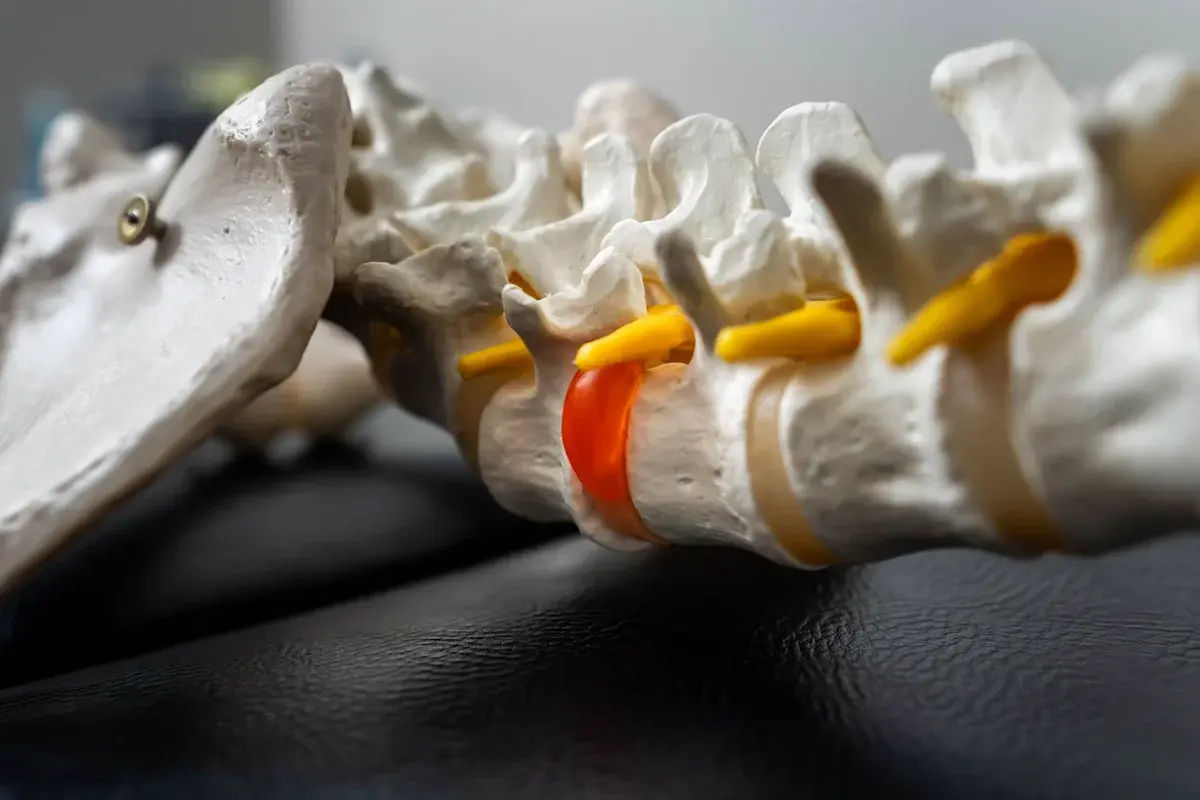
Disc injury

Disc injuries can cause pain, numbness, or weakness that radiates from the spine. This may affect the neck (cervical discs), upper back (thoracic discs), or lower back (lumbar discs), with common presentations including sciatica, arm or leg pain, and reduced mobility.

How do chiropractors assess this?

  • Comprehensive history to understand the nature and progression of symptoms
  • Detailed neurological and orthopedic examination to identify the affected level
  • Clinical assessment including range of motion, reflexes, and specific tests
  • Imaging referral when clinically indicated (X-ray, MRI, or CT scan)
More about disc injury
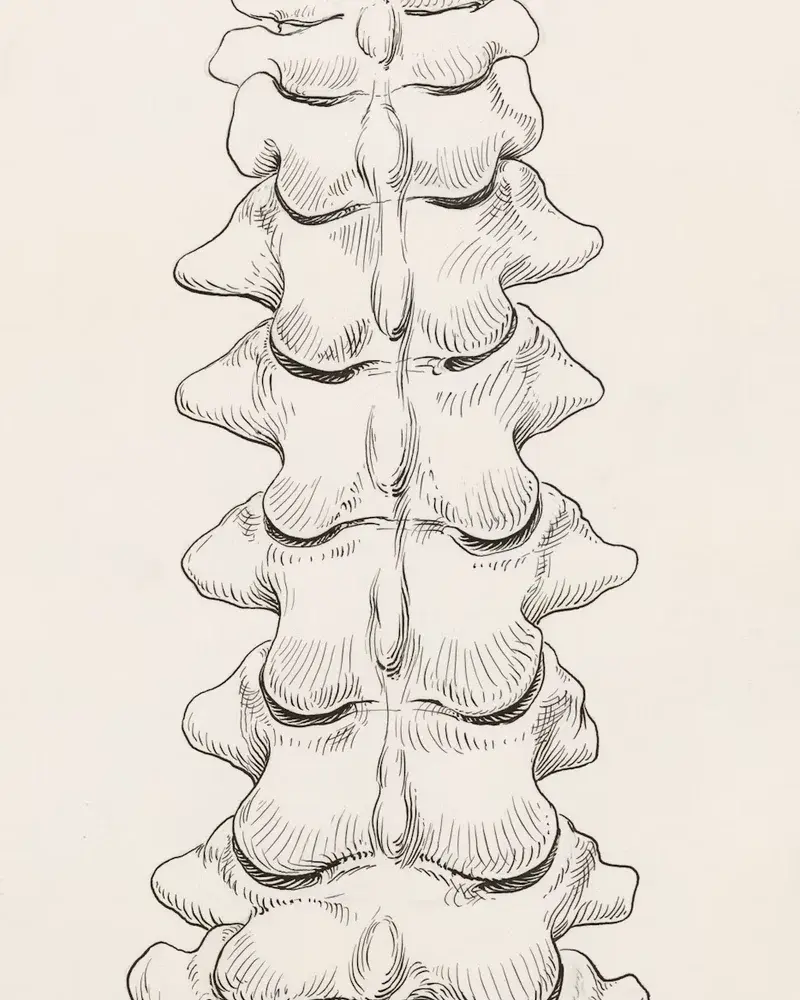
Anatomical spine model used to explain examination findings
An anatomical spine model.

Individual results vary. The information above is general and educational, and is not a substitute for professional advice. The information on this website is for general informational and educational purposes only and is not a substitute for professional medical advice, diagnosis, or treatment. Always seek the advice of your chiropractor or other qualified health provider with any questions regarding a medical condition. Never disregard professional medical advice because of something you have read here.

Patient profiles

Who chiropractic care commonly supports.

Common patient presentations include athletes returning to training, office workers with repetitive strain, mothers through pregnancy and postpartum, and people easing back into movement after sedentary years. Whether chiropractic care is appropriate for a given concern is assessed at an in-person consultation.

Runners & athletes

Marathoners, trail runners, cyclists, climbers, lifters

Hong Kong's running and climbing communities train hard, and overuse injuries are common. Chiropractor's work with athletes on a structured return to training - combining manual therapy with a graded rehab plan, re-assessed as you progress.

Office & desk workers

Bankers, lawyers, designers, developers, founders

Long hours at a screen are a fact of professional life in Central. The neck stiffness, tension headaches, and lower-back tightness that come with it are patterns Chiropractor's see every day. Care combines hands-on treatment with practical ergonomic and movement guidance for your specific setup.

Pregnancy & postpartum

From pregnancy through postpartum recovery

Many women seek care during pregnancy for comfort as the body changes - and again after birth, when recovery meets the neck, shoulder, and back strain of feeding and carrying a newborn. Care is gentle, paced to recovery, and coordinated with obstetric or medical care where indicated.

Getting moving again

People in their fifties and beyond, easing back into movement

Stiffness often builds quietly through sedentary years, until a walk leaves the back aching or a morning takes longer to loosen up. Care focuses on freeing the joints and muscles that have stiffened, then putting a graded, realistic plan behind it - so getting moving stops feeling like starting from zero.

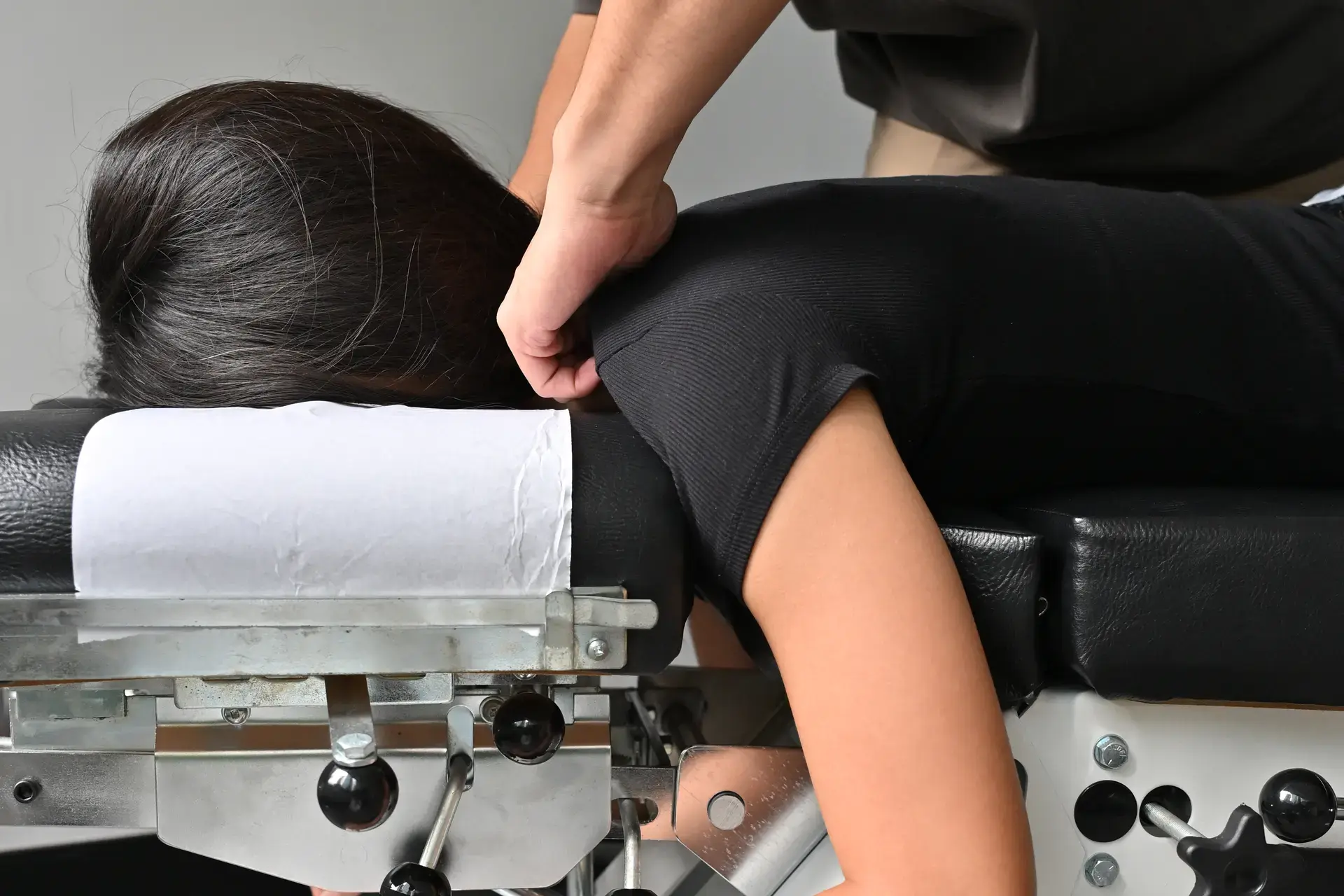
Patient receiving hands-on care on the treatment table at Up!Health, Hong Kong
Hands-on treatment, Up!Health.
The techniques, explained

What the techniques actually are.

If you've wondered what chiropractors mean by 'diversified adjusting', 'soft-tissue release', 'instrument adjusting', or 'pregnancy-adapted care', this is for you.

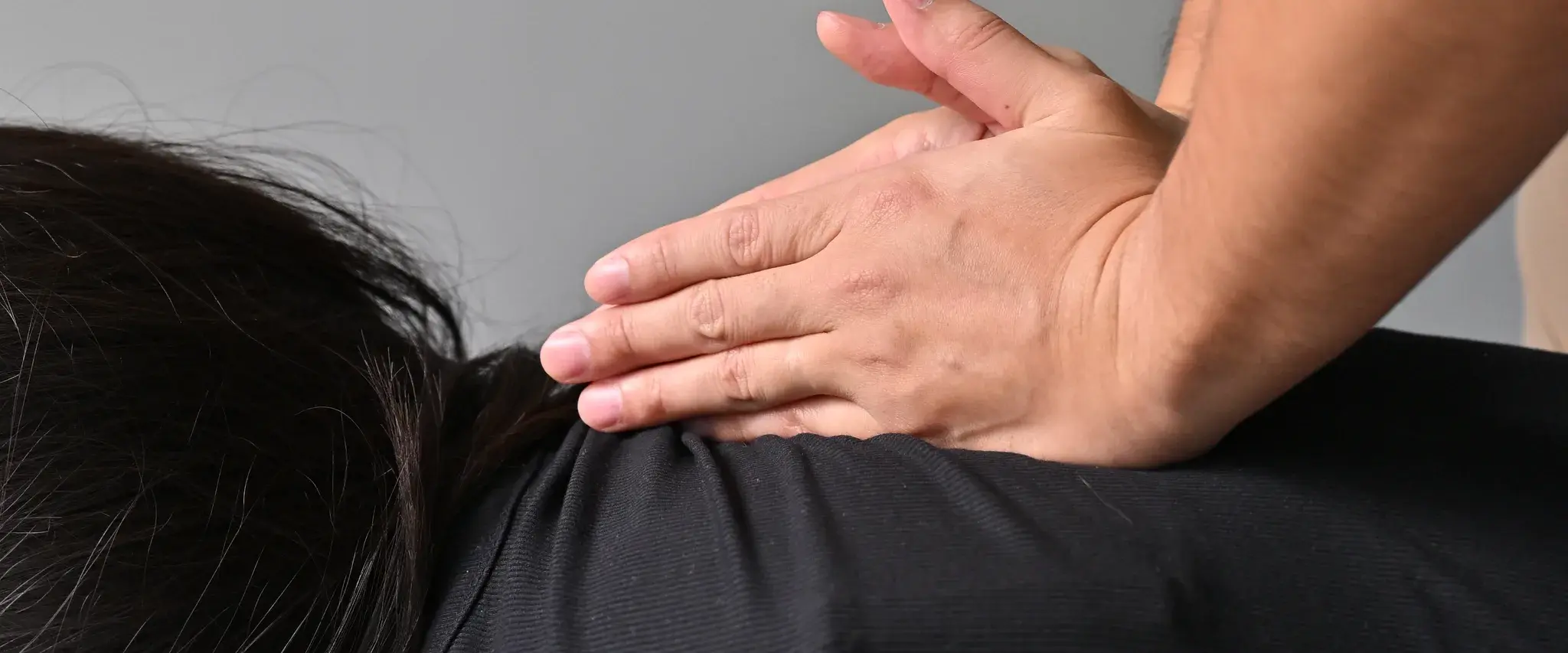
Hands-on soft-tissue treatment of the upper back at Up!Health, Hong Kong

Diversified spinal adjustment of the upper back, Up!Health.

DiversifiedDiversified spinal adjusting

Diversified technique is the most common form of chiropractic spinal adjustment. It involves a precise, controlled manual thrust applied to a specific joint to support mobility and function. The characteristic 'pop' is gas releasing from the joint fluid - it is not the sound of bones cracking.

How it is used: Used throughout the spine where examination indicates restricted joint motion. Adjustments are always explained and consented to before they are performed, and are adapted to your comfort.

Diversified spinal adjusting, explained in full

InstrumentInstrument-assisted techniques

Instrument-assisted techniques use handheld instruments alongside, or in place of, the hands. A small, spring-loaded adjusting instrument delivers a quick, low-force impulse to a specific joint, an alternative to manual adjusting that many people who feel uneasy about 'clicking' techniques find comfortable. Smooth-edged soft-tissue instruments are also glided over muscles and tendons to locate and treat areas of dense tension or restriction - an approach commonly used for overuse problems and scar-tissue-type stiffness.

How it is used: The adjusting instrument is used where a lower-force approach is preferred or indicated - sensitive regions, uneasy first-timers, or when manual adjusting is not appropriate on the day. The soft-tissue instruments are used where examination finds localised muscle tension - commonly calves and hips in runners, forearms in climbers, and the neck and shoulder region in desk workers. Both follow the same examination and consent process as manual techniques.

Instrument-assisted techniques, explained in full

Soft tissueSoft-tissue therapy

Soft-tissue therapy is hands-on work applied to muscles, tendons, ligaments, and fascia - the tissues that surround and move the joints. Approaches range from sustained pressure and stretching to targeted release of tight or tender areas.

How it is used: Used alongside spinal adjusting where examination finds muscle tension or overuse contributing to a concern - for example, neck and shoulder tightness from desk work, or persistent calf and hip tightness in runners.

Soft-tissue therapy, explained in full
Show 3 more techniques

ReleaseMovement-based soft-tissue release

Movement-based soft-tissue release combines applied tension with active movement: a directed pressure is held on a muscle, tendon, or ligament while the tissue is taken through its range of motion, so assessment and treatment happen in the same movement. It is commonly used for overuse problems where muscle feels densely tense or restricted - and for scar-tissue-type stiffness after strains or surgery.

How it is used: Used where examination finds localised muscle tension or adhesion-like restriction - calves and hips in runners, forearms and shoulders in climbers and lifters, and the neck and shoulder region in desk workers. As with all soft-tissue work here, the technique is applied within a full examination and consent process.

Movement-based soft-tissue release, explained in full

ExerciseCorrective exercise

Corrective exercise uses simple, targeted movements and stretches to address the weakness, stiffness, or movement patterns that may be contributing to a concern. It is the bridge between in-clinic care and long-term self-management.

How it is used: Prescribed individually, usually a small number of exercises that fit your day, and progressed at follow-up visits. The aim is to move you toward self-management, not ongoing dependence on care.

Corrective exercise, explained in full

PregnancyPregnancy-adapted techniques

Pregnancy-adapted techniques are chiropractic approaches modified for each stage of pregnancy - side-lying adjusting positions with support cushions, lower-force options, and soft-tissue work suited to a changing body. Care during pregnancy aims to support comfort and mobility as the body changes.

How it is used: Techniques are adapted to the stage of pregnancy, with comfort and safety as the priority, and coordinated with obstetric or medical care where indicated. Chiropractic care during pregnancy does not promise outcomes for labour or birth; where needs fall outside chiropractic care, an appropriate referral is arranged.

Pregnancy-adapted techniques, explained in full

Individual responses vary. Techniques are selected based on your examination and comfort, and not every technique is appropriate for every person or condition.

Your first visit

What a consultation looks like.

The first visit is about 45 minutes. Here’s how it usually goes.

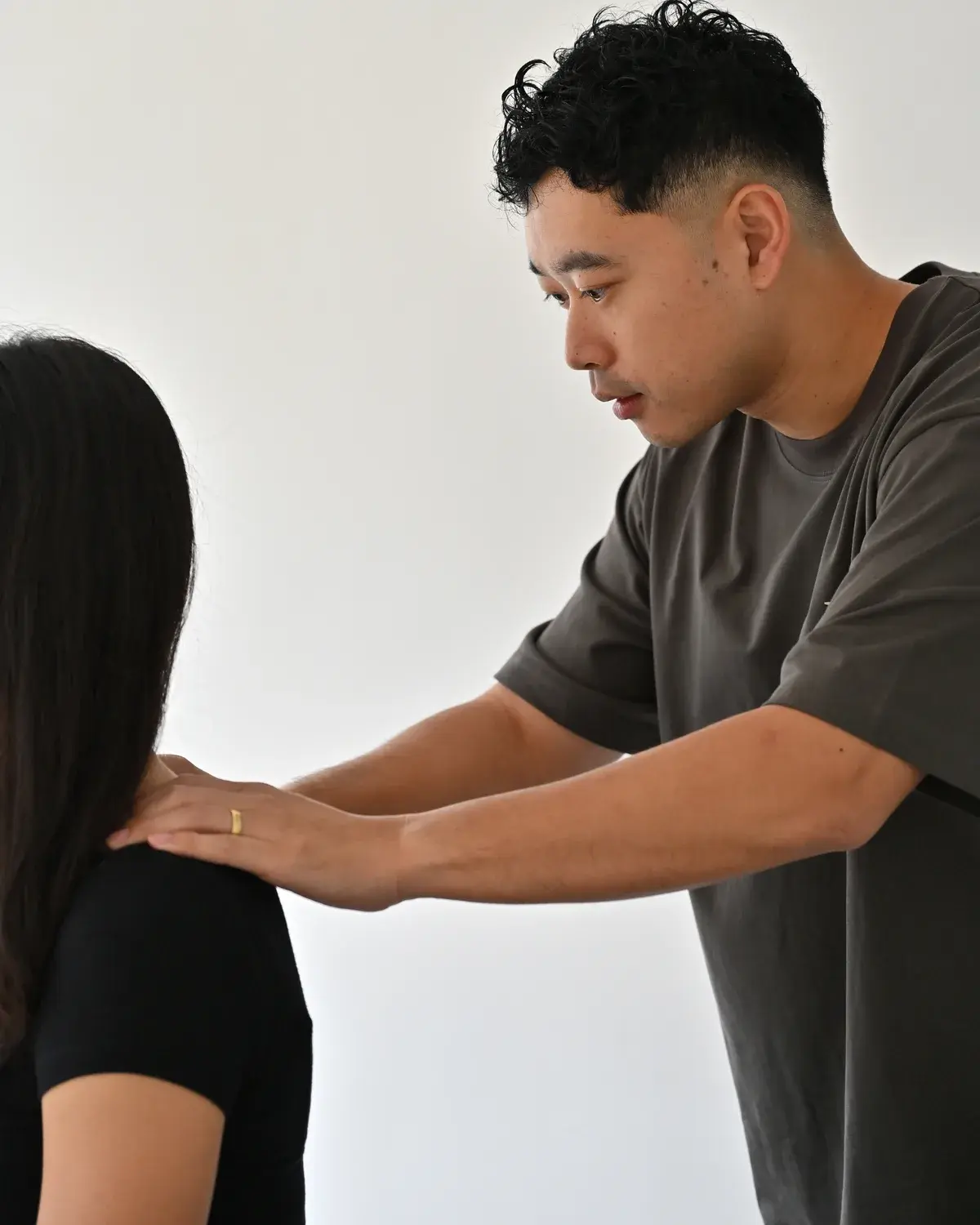
Dr. Louie examining a patient's shoulder at Up!Health, Hong Kong

The examination & assessment, Up!Health.

  1. 01

    Listening & History

    First 10-15 min

    Your first visit begins with a conversation. Time is taken to understand your concern, your routine, your training or work demands, and what you hope to regain. Your medical history is analysed, with appropriate questions asked to ensure safe care and to build a deeper understanding of any links and relations to your concerns.

  2. 02

    Examination & Assessment

    15-20 min

    A thorough orthopedic, neurological, and movement examination helps identify contributing factors to your concern. When indicated, imaging or a medical referral will be discussed where appropriate.

  3. 03

    Findings & Plan

    5-10 min

    Findings of the explanation are explained in plain language, what the options are, and what a realistic plan might look like - including how many visits may be involved and how progress will be re-evaluated.

  4. 04

    Care & Re-assessment

    Follow-up visits

    When appropriate, your first gentle care begins. Each subsequent visit re-examines progress, adjusts the plan, and gradually moves you toward self-management.

Individual results vary. The steps above describe a typical first visit; the actual experience may differ based on patient history and findings from examination. No specific outcome is guaranteed.

The honest part

Limits, risks & when referral is indicated.

No care is right for everyone - what chiropractic can’t do, the risks worth knowing about, and when someone else should be your first call.

When chiropractic care is not the right first step

Certain findings (fractures, infections, inflammatory conditions, or neurological red flags) need medical care first. If your examination suggests any of these, you will be referred to an appropriate medical practitioner before any chiropractic care begins.

Known risks of manual therapy

Chiropractic care is generally considered low-risk, but no treatment is risk-free. After adjustments you may experience temporary mild soreness or stiffness, typically settling within a day or two. Less common risks associated with cervical manipulation exist and are discussed with you, alongside alternatives, before any technique is used.

What care does not promise

Chiropractic care does not promise a cure, a fixed number of visits, or relief for every person. Individual results vary, progress is re-examined at every stage, and the aim is always to move you toward not needing care.

Other options you may be advised to consider

Depending on what the examination finds, other options (medical review, imaging, physiotherapy, or simply time and modified activity) may be more appropriate. If so, you will be told plainly and pointed in the right direction.

Background

Training & qualifications.

For those who’d like to know.

Education

  • Master of Chiropractic

    2015 - 2016

    Macquarie University, Australia

  • Bachelor of Chiropractic Science

    2012 - 2014

    Macquarie University, Australia

Certifications & registration

  • HK Reg.

    Registered Chiropractor - Chiropractors Council of Hong Kong (Cap. 428)

  • HKCA

    Member, Hong Kong Chiropractors Association

  • GCC

    Registered Chiropractor - General Chiropractic Council (UK)

    2017 - 2024 · prior to relocation to Hong Kong

  • AHPRA

    Registered Chiropractor (non-practising) - Chiropractic Board of Australia

    Current

Questions

Things people often ask.

If yours isn’t here, you’re welcome to call, message, or email.

Is Dr. Louie a registered chiropractor in Hong Kong?

Yes. Dr. Louie Feng is a registered chiropractor with the Chiropractors Council of Hong Kong, the statutory body established under the Chiropractors Registration Ordinance (Chapter 428). Registration number CC000429, displayed in the footer of this site. Only persons registered with the Council may legally use the title 'Chiropractor', '脊醫', or '脊骨神經科醫生' in Hong Kong.

What concerns do people typically see Dr. Louie about?

Presentations commonly include back pain, neck pain, sciatica, headaches, sports-related concerns, pregnancy-related discomfort, posture concerns, and overuse issues such as tendinopathy. People who attend include runners, cyclists, climbers, office workers, expectant mothers, and weekend athletes from across Hong Kong. Whether chiropractic care is appropriate for you is determined at the consultation.

What happens during the first chiropractic visit?

Your first visit is about 45 minutes and includes a full health history, a movement and orthopedic examination, a discussion of your goals, and, when clinically appropriate, your first gentle adjustment. What was found and why each step matters is explained before any care begins. Individual needs vary and your visit may differ.

How do fees work at Up!Health, and can I claim insurance?

Fees at Up!Health are set by the clinic. For current fee information, please message on WhatsApp or contact the clinic directly. Payment is settled at the time of your visit, and an official receipt is provided that you may submit to your private medical insurer according to your policy. Please check with your insurer in advance about chiropractic coverage.

Is chiropractic care considered during pregnancy?

Yes. Care during pregnancy is gentle and adapted to each stage, with comfort and safety as the priority. Whether care is appropriate for you is assessed individually at the consultation, and where a medical referral is indicated, one will be arranged.

How many visits might I need?

This varies considerably from person to person. Some acute concerns may improve within a few visits, while chronic or rehabilitation-focused cases may require a longer plan. Care is only recommended when considered appropriate, progress is re-examined regularly, and the aim is to move you toward self-management. No specific outcome or number of visits is guaranteed.
Show 8 more questions

Is chiropractic treatment safe, and what are the risks?

Chiropractic care is generally considered low-risk when it follows an appropriate examination, but no treatment is entirely risk-free. The most common effects after an adjustment are temporary mild soreness or stiffness, typically settling within a day or two. Less common risks associated with neck manipulation exist and are discussed alongside alternatives before any technique is used. Certain findings (fractures, infections, inflammatory conditions, or neurological red flags) need medical care first, and a referral will be arranged before any chiropractic care begins.

Does chiropractic treatment hurt?

Most people find treatment comfortable. Techniques are adapted to your comfort and are explained and consented to before they are performed. Some people experience mild, temporary soreness or stiffness after an adjustment (similar to post-exercise soreness), which typically settles within a day or two. If a technique is uncomfortable, it is modified or an alternative is used.

What techniques does Dr. Louie use?

Care commonly includes diversified spinal adjusting, hands-on soft-tissue work, low-force instrument options where preferred, corrective exercise, and pregnancy-adapted approaches. Techniques are selected based on your examination and comfort. Individual responses to care vary.

Do I need a referral to see a chiropractor in Hong Kong?

No. Chiropractors are primary contact healthcare professionals in Hong Kong, so you can book directly without a referral. If imaging or co-management with a medical doctor is indicated, Dr. Louie will coordinate with your physician and provide a referral letter.

Where does Dr. Louie practise, and how do I get there?

Dr. Louie practises at Up!Health in two locations: Central (Room 1101, 11/F, Wellington Place, 2-8 Wellington Street, a short walk from Central MTR Station) and Quarry Bay (Suite 1209, 12/F, Dorset House, Taikoo Place, 979 King's Road, opposite Quarry Bay MTR Station at Taikoo Place). Appointments are by booking only; please send a WhatsApp message or call to arrange a time and confirm which location suits you.

What languages does Dr. Louie speak?

Consultations are available in English and Cantonese. Please mention your preferred language when booking so the consultation can be arranged accordingly.

Which areas is the practice convenient for?

The two consulting locations are both next to MTR stations on Hong Kong Island. The Central branch (Wellington Place, 2-8 Wellington Street) is a short walk from Central MTR Station and convenient for Sheung Wan, Mid-Levels, Admiralty, Wan Chai, Causeway Bay. The Quarry Bay branch (Dorset House, Taikoo Place, 979 King's Road) is opposite Quarry Bay MTR Station and convenient for Taikoo, Taikoo Shing, North Point, Fortress Hill, Sai Wan Ho. People travelling from Kowloon or the New Territories typically arrive by MTR.

Can I book a chiropractic appointment on a Saturday?

Yes. Dr. Louie consults at Up!Health Central on Saturdays, 10:00 AM - 2:00 PM. At Quarry Bay, the consulting days are Monday, Thursday, and Friday, 9:00 AM - 6:00 PM. Appointments are by booking only - send a WhatsApp message or call to arrange a time.

Still have a question?

For booking and questions, the fastest route is a WhatsApp message.

Book Your Visit

Book a consultation.

Send a WhatsApp message and a time will be arranged. No referral is needed in Hong Kong.

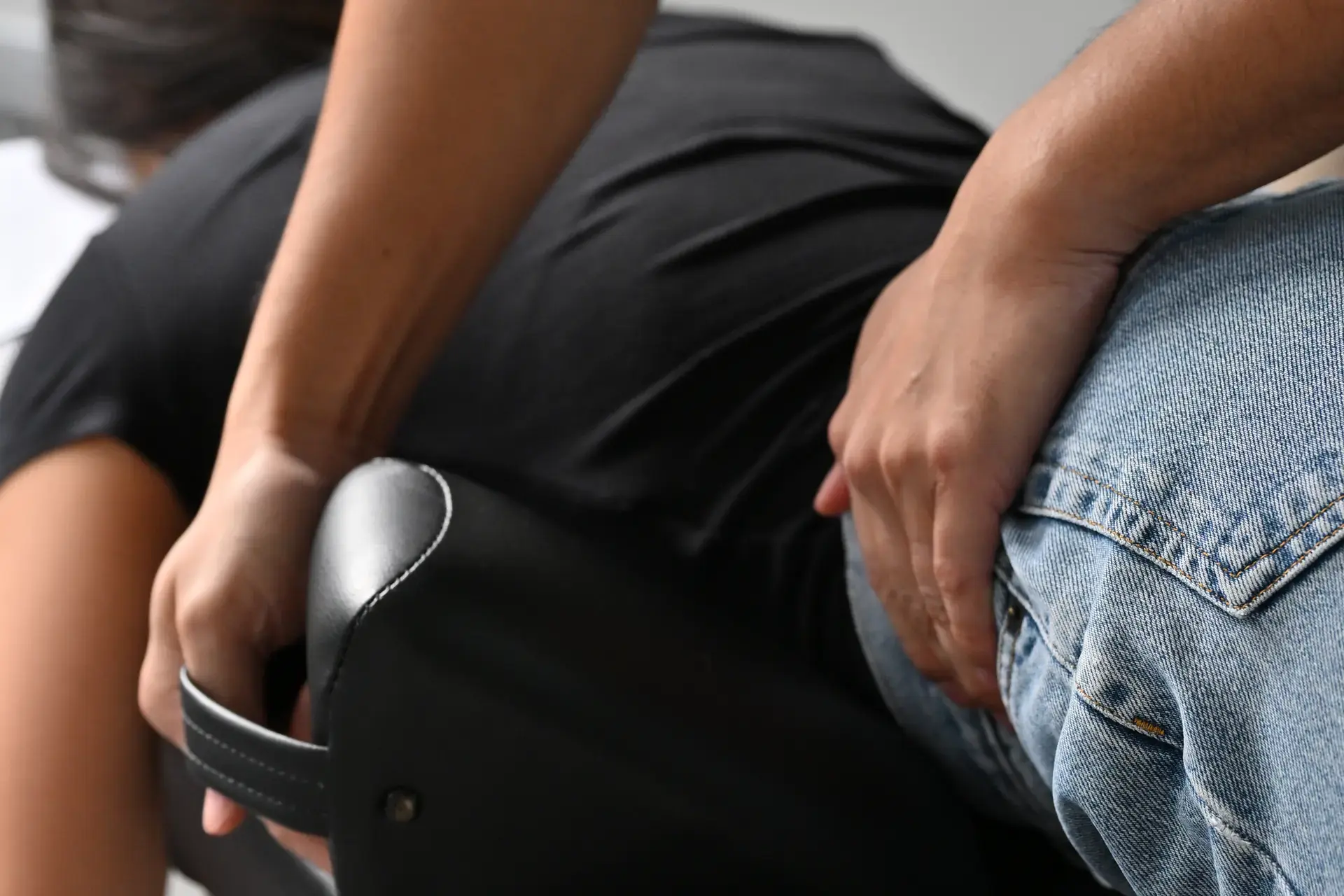
Hands-on assessment of the lower back on the treatment table at Up!Health, Hong Kong

Lower back assessment, Up!Health.

Book a consultation

Booking is by WhatsApp message or telephone; appointments are by booking only, and no referral is needed in Hong Kong.

Fees at Up!Health are set by the clinic - message for current fee information. An official receipt is provided for insurance claims. Individual results vary; this is not medical advice.

Consulting days

Up!Health - Central

  • Tuesday10:00 AM - 7:00 PM
  • Saturday10:00 AM - 2:00 PM

Other days - message for availability.

Up!Health - Quarry Bay

  • Monday9:00 AM - 6:00 PM
  • Thursday9:00 AM - 6:00 PM
  • Friday9:00 AM - 6:00 PM

Other days - message for availability.

Your privacy is respected in accordance with the Personal Data (Privacy) Ordinance (Cap. 486). This website does not collect personal data through forms; enquiries sent by WhatsApp or email are used solely for appointment coordination and clinical care, and are not shared with third parties without your consent.